

V5: Next-Generation Airport & Airspace Intelligence Platform
Why V5?
- What real problem did we solve? — Aviation surveillance tools are fragmented, expensive, and often stuck in legacy tech. Airports and ANSPs run separate systems for live tracking, replay, analytics, and training — usually from different vendors, with different tech stacks, different data formats. New AI programs are challenging due to data silos and old tech stacks. V5 was designed to unify everything into one platform, yet maintaining technical flexibility, with one data pipeline, completing, not substituting current legacy solutions.
- Who did we build this for? — A variety of airspace management functions, strategic, pre-tactical, and tactical. For instance, ATC supervisors reviewing traffic incidents, safety officers building reports (internal or for the regulator), airport ops managers tracking runway occupancy, and air traffic controllers and information offices in airports lacking air surveillance (small airports) or ground surveillance (medium-sized airports).
- What would make it 10x better? — Technical and operational flexibility. One platform, several products, sub-second latency, browser-based, simultaneous cloud and on-prem. Instead of buying several separate vendor products and integrating them, a unified stack where adding a new tool is straightforward. A modern codebase that enables a smooth transition to current development practices and AI-assisted tooling.
- What should it feel like using V5? — For users: seeing and understanding traffic from everywhere, in real time or historical data — from any browser, through a certified, ATC-approved product. For owners: new tools are easy and fast to prototype and move into production on top of a mature, proven stack.
- What else could it unlock? — A set of tools that extend the platform beyond current use cases: drone tracking, military surveillance, Advanced Air Mobility, among others, private data sharing, AI training — all achievable on the same tech stack and data pipelines.
Vision
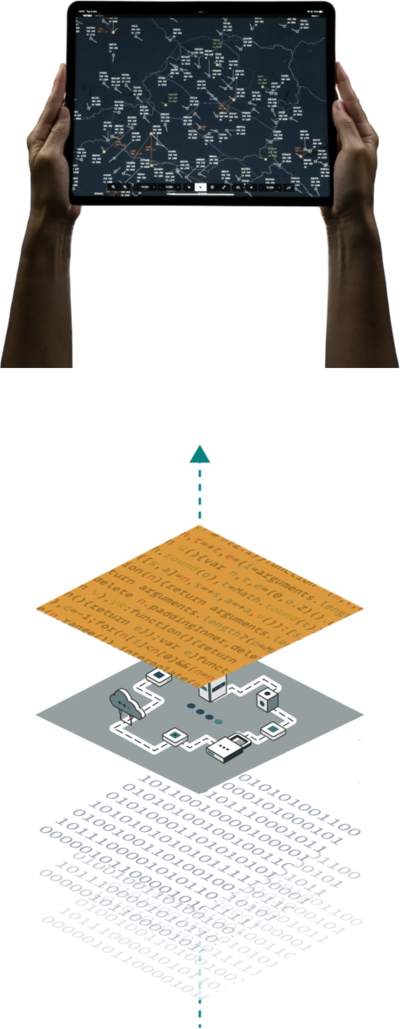
30-seconds — what does V5 do?
- Extract and ingest surveillance data from any data source.
- Handle data processing in both real-time and batch modes.
- Transform the data — validating and enriching for operational use.
- Designed to operate both on-premises and in cloud environments.
- Display the result in web-friendly, regulatory-compliant UI.


Products
* Supports integration with Romeo5 video recording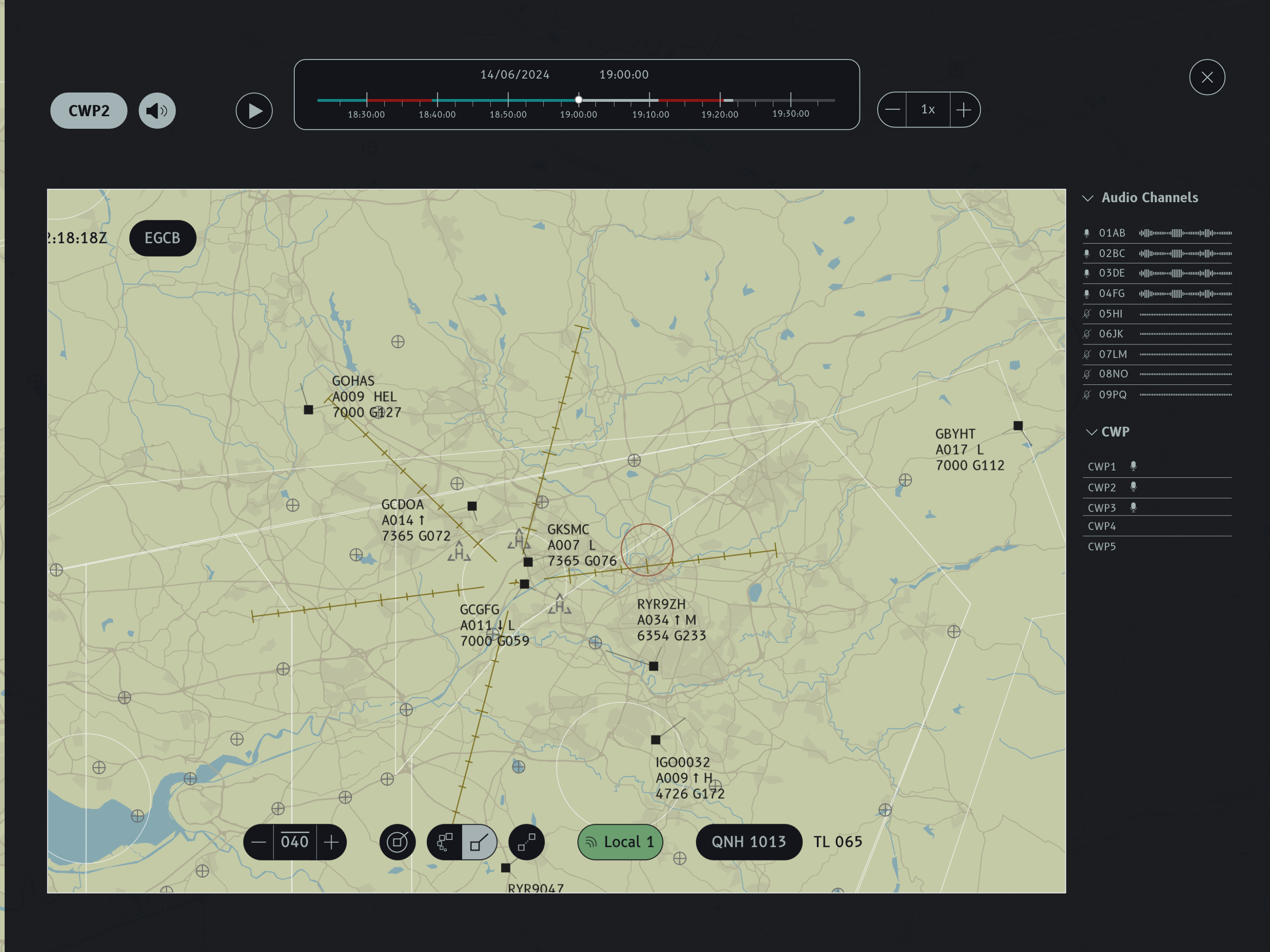 of on-prem installations
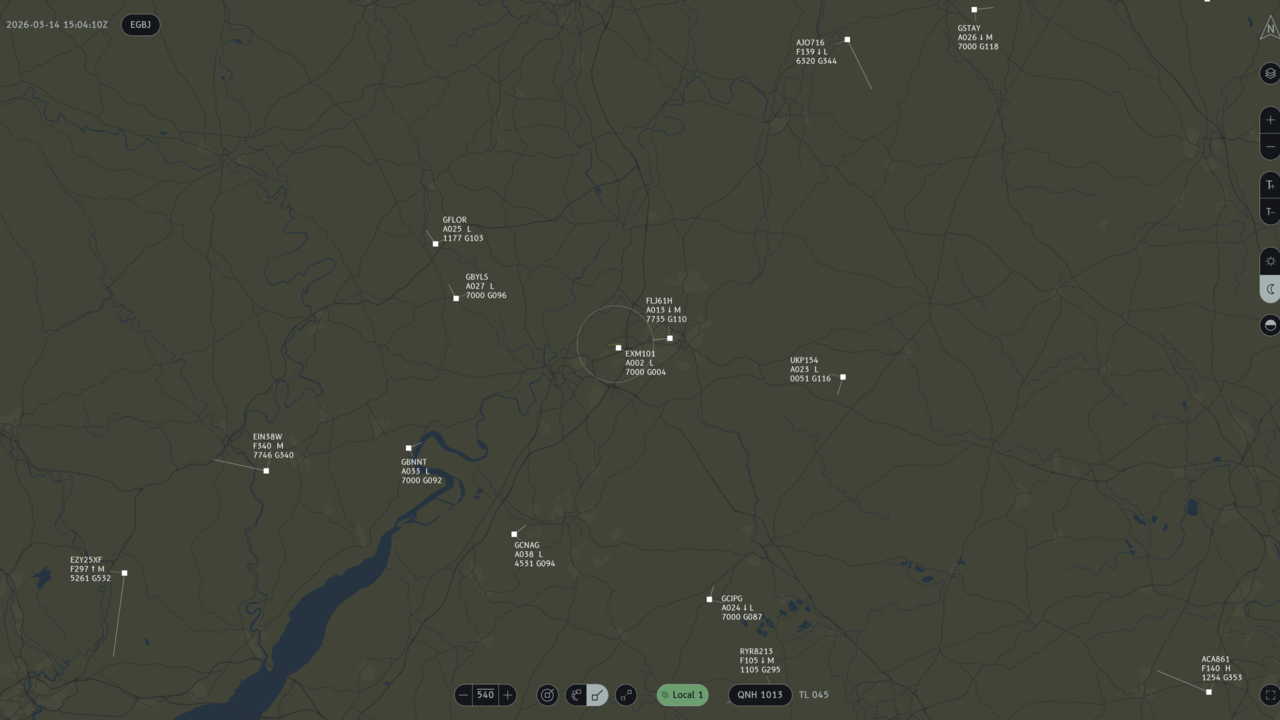
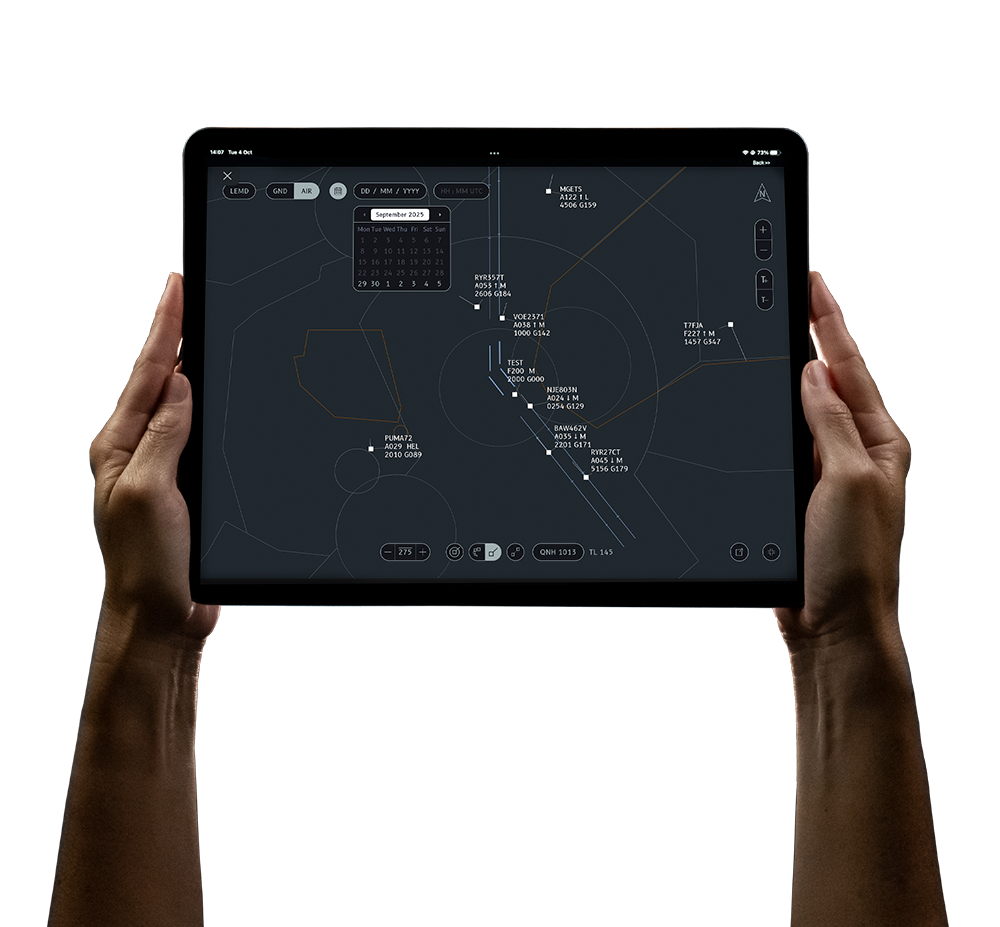
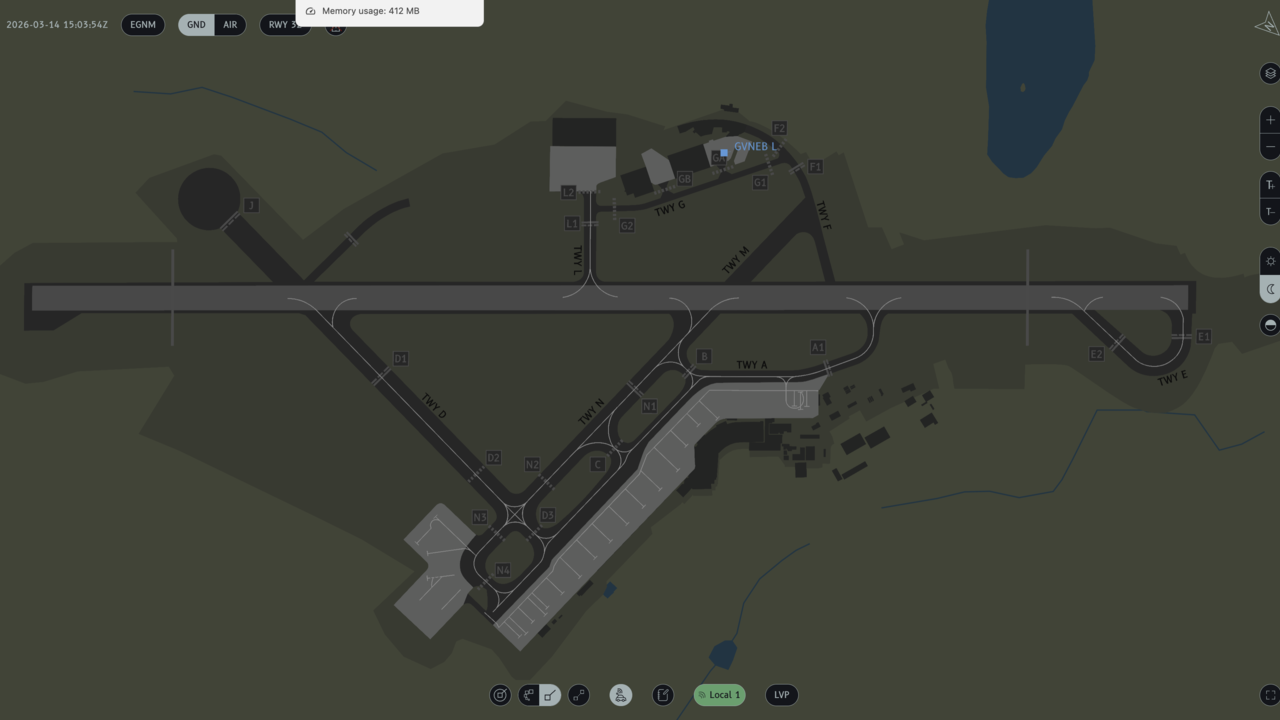
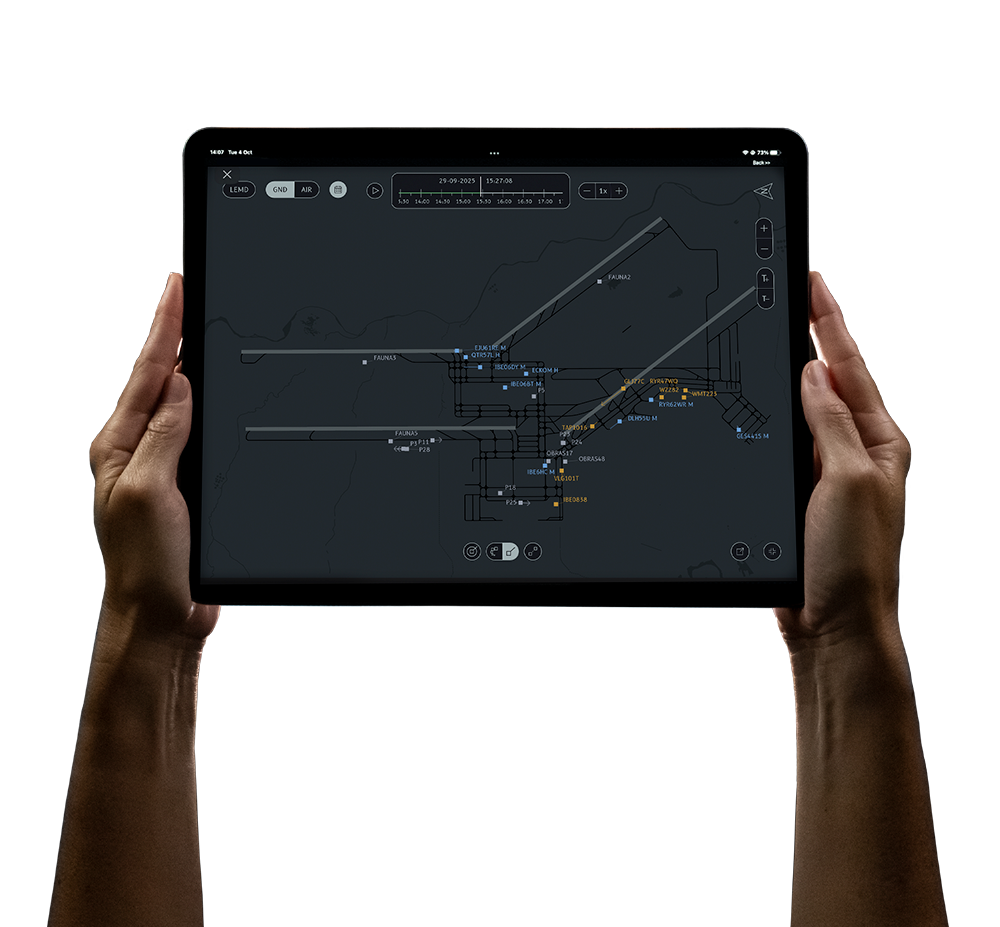
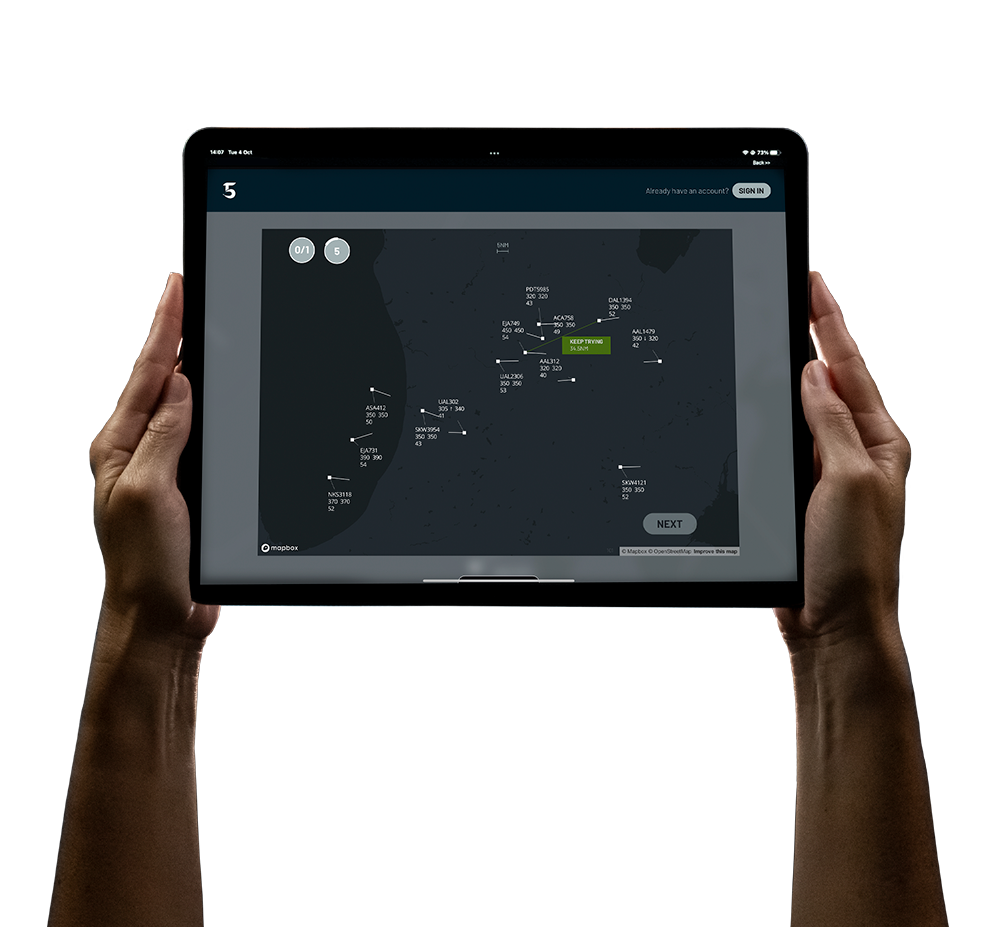
Platform Capabilities
Data Ingestion
Data Processing
Infrastructure
UX Design
What sets V5 apart technically
- Production-proven — Product running now on real aviation data feeds for long periods with excellent SLAs, demonstrating the platform handles operational traffic at scale.
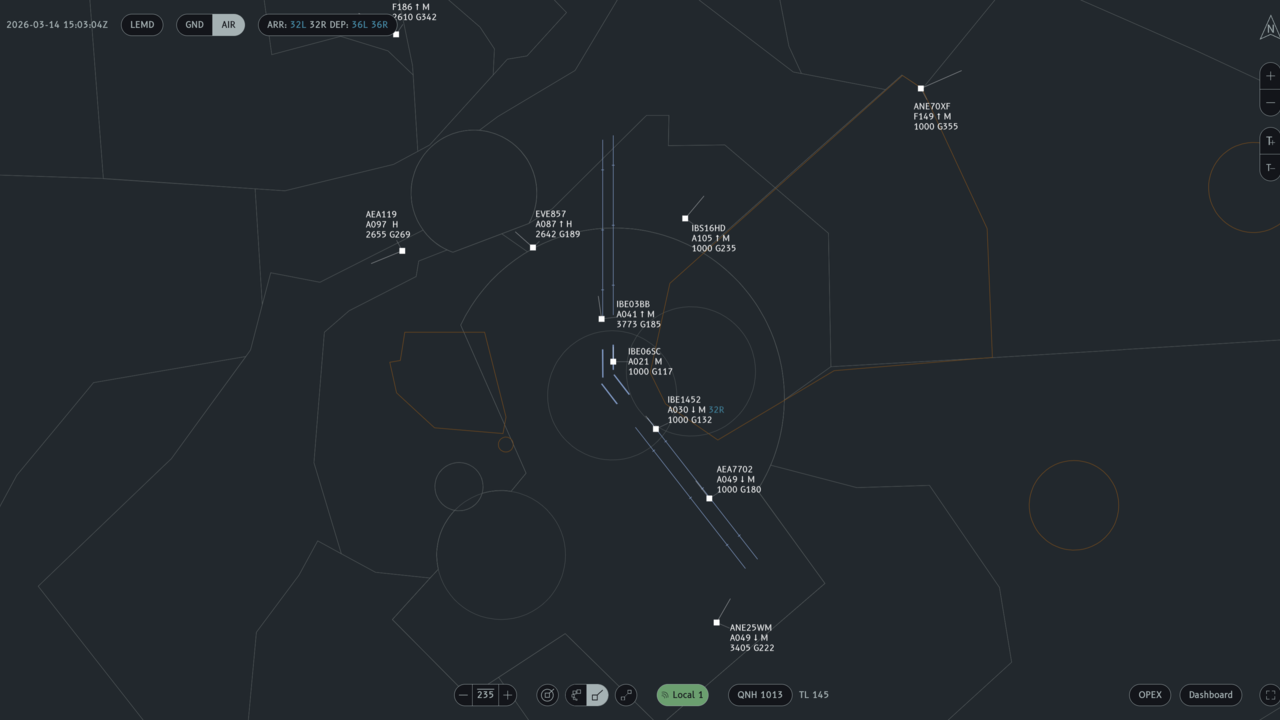
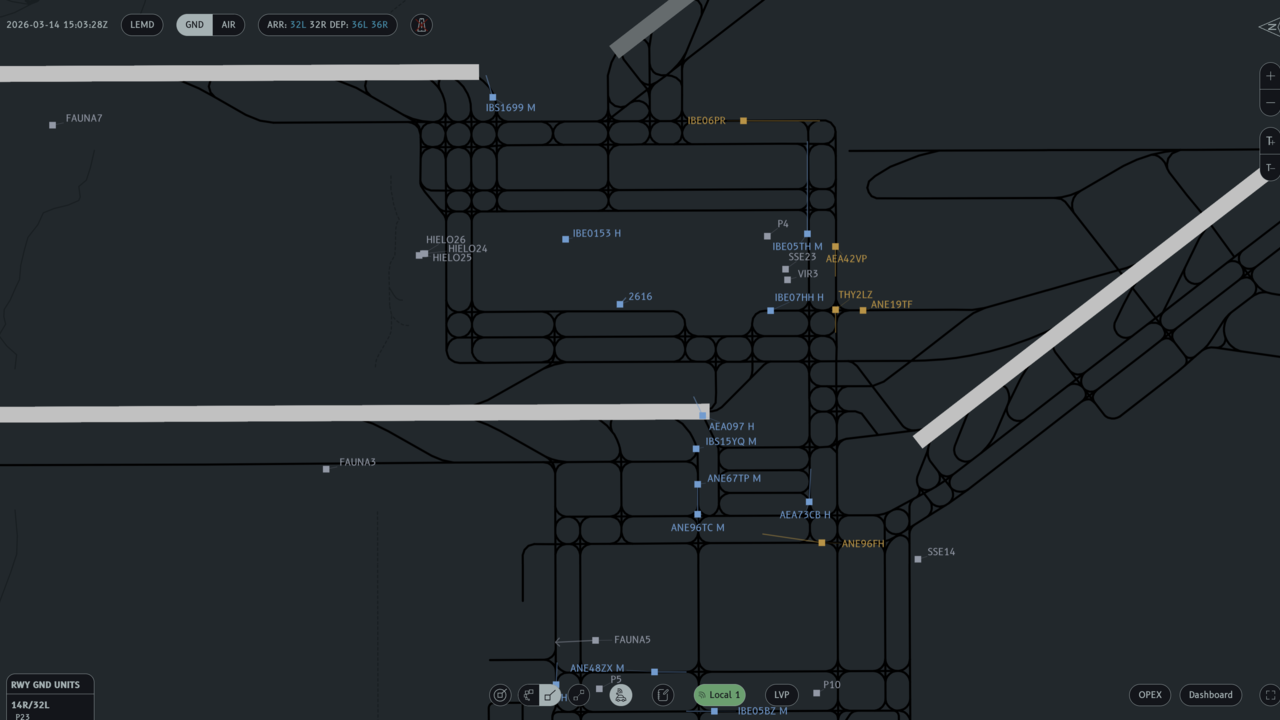
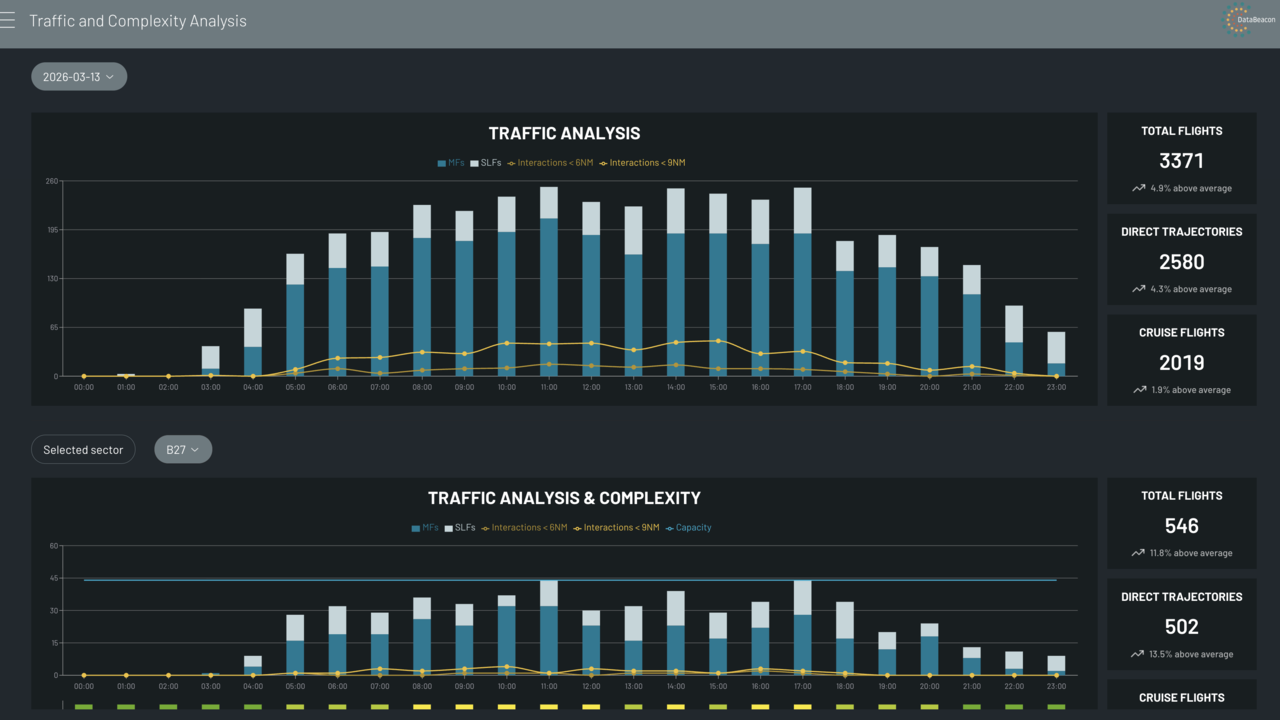
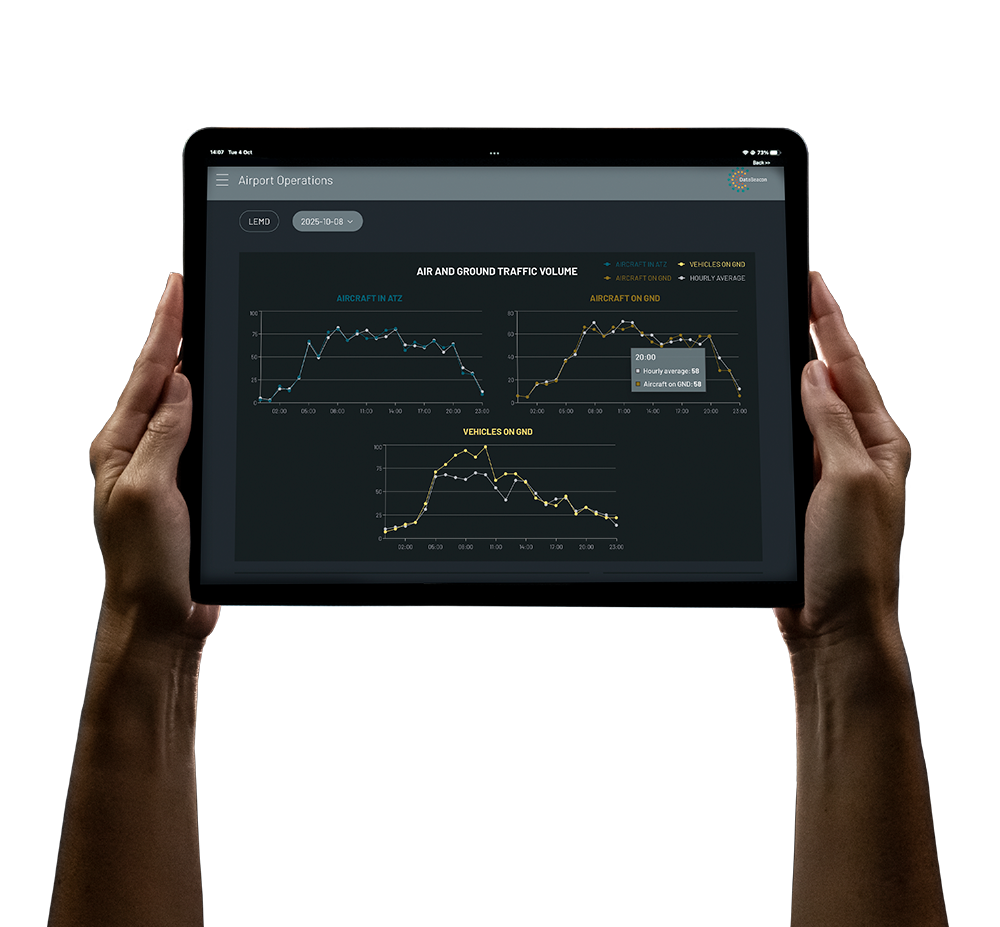
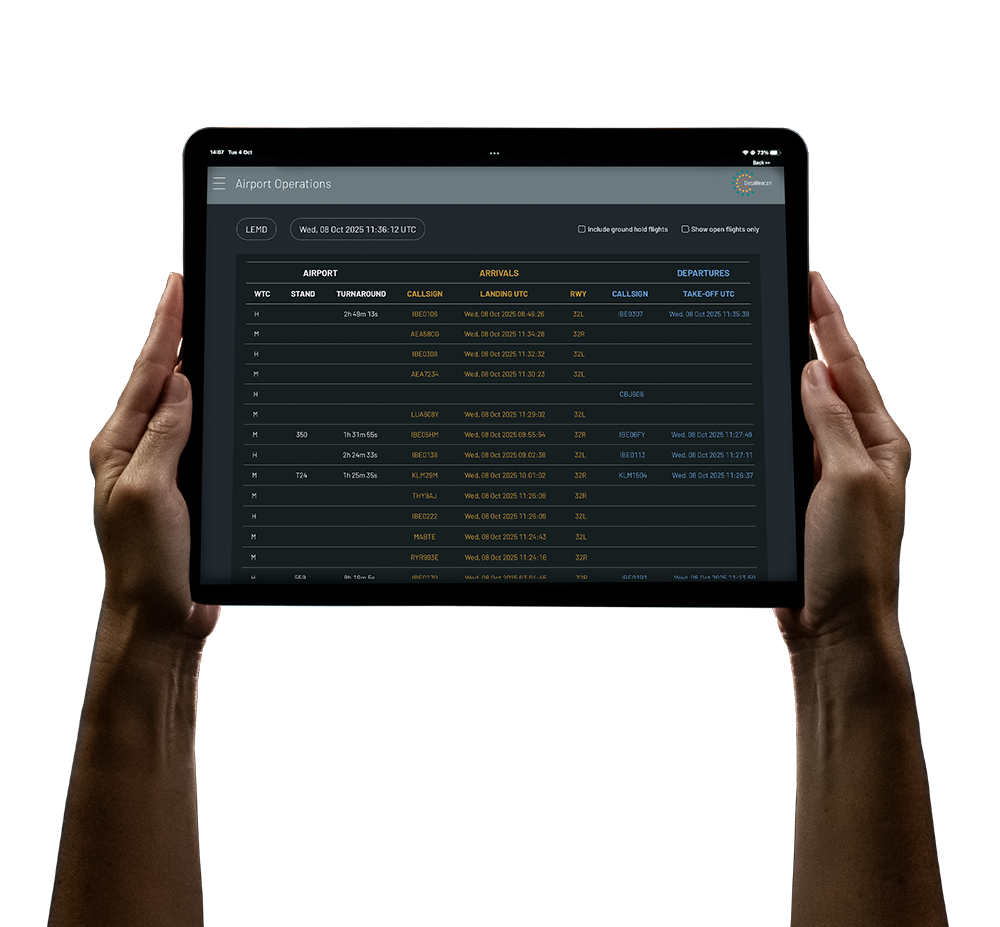
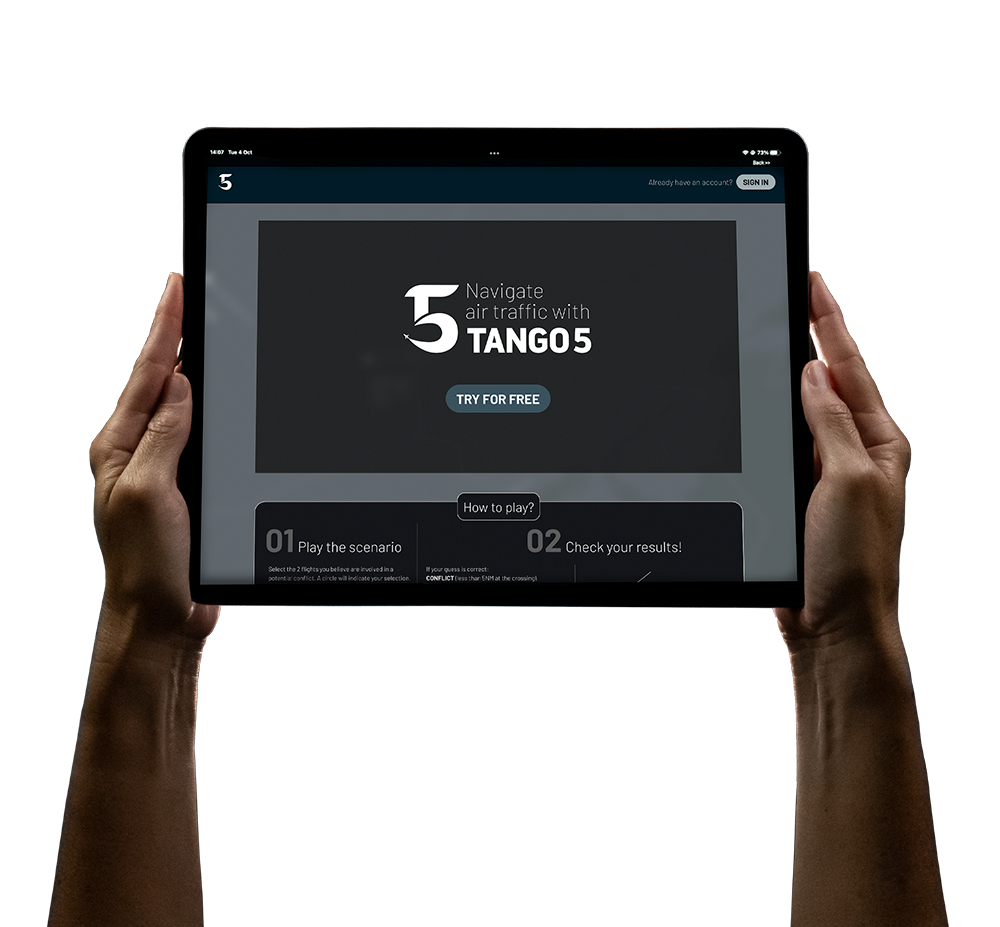
- Proven expandability — Romeo5 (live tracking), Delta5 (airport KPIs), Bravo5 (replay & analytics), and Tango5 (ATC training) share a common data pipeline and infrastructure, dramatically reducing integration cost and operational complexity.
- Sub-second real-time streaming — The pipeline is optimized for performance and reliability critical to aviation surveillance. Data flows from source through Kafka to gRPC to browser in under a second. Romeo5 renders live aircraft positions with continuous updates, not polling intervals.
- Modern frontend stack — Browser-based, responsive, and fast. No desktop installation or plugins required. Built with industry-standard web technologies that any developer can maintain.
- Cloud AND on-premise, same codebase — Every service is containerized and runs identically in the cloud, on a local server, or as a standalone desktop app. No code changes between deployment targets — only configuration. Infrastructure is fully codified, with automated CI/CD pipelines for build, test, and deployment.
Technical Specifications
- 17+ services written in Rust, Python and TypeScript, extensible to any language
- Infrastructure as code using Terraform and Kubernetes
- Service communication through Kafka and Protobuf
- Extensive tooling to maximize developer efficiency
- CI/CD pipelines: Automated testing and building with one-click manual deployment
| Romeo5 / Bravo5 | Delta5 | Tango5 | |
|---|---|---|---|
| Frontend stack | Shared across all products: Next.js React TypeScript Radix UI TanStack Table Tailwind CSS | ||
| MapLibre GL Auth0 gRPC-Web Protobuf | shadcn/ui Recharts Lucide Auth0 gRPC-Web Protobuf | Mapbox GL react-map-gl Clerk Turf.js Lucide | |
| Data layer | PostgreSQL Drizzle ORM | PostgreSQL | PostgreSQL Drizzle ORM Zod React Hook Form Server Actions |
| Pipeline | Kafka (AWS MSK) Redis (ElastiCache) Protobuf S3 (Parquet/CSV) Python ETL | PostHog CLI (tsx) | |
| Backend | Rust microservices (15+) tokio rdkafka prost Martin tile server ASMT (Rust gRPC) | Server Actions | |
| Infrastructure | Terraform Terragrunt AWS EKS Kubernetes Kustomize GitHub Actions SOPS + KMS | Docker Compose GitHub Actions | |
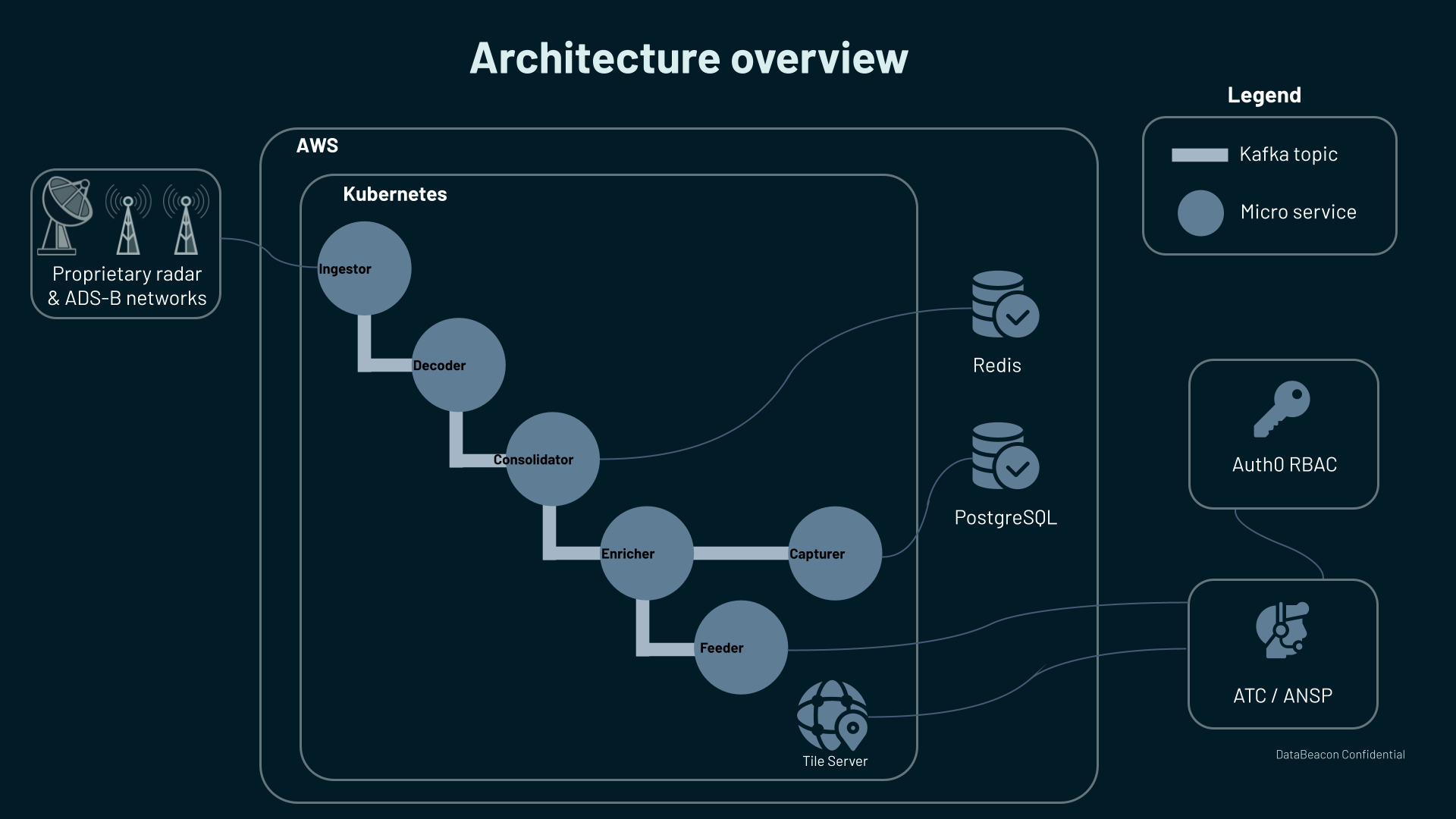
Romeo5, Delta5, and Bravo5 share a common backend pipeline.
Data Ingestion
Receives live surveillance feeds (ADS-B, Mode-S, ASTERIX, APRS) via TCP/UDP, AMQP, or Kafka. Decodes and normalizes raw data into a unified format for downstream processing.
Processing Pipeline
Microservices connected through Apache Kafka. Data flows through consolidation, enrichment, and capture stages — achieving sub-second latency from source to screen.
Delivery & Storage
gRPC-Web with Protobuf serves real-time and historical data to frontends. PostgreSQL for operational data, Redis for caching, S3 (Parquet/CSV) for long-term archival.
Infrastructure
Fully containerized. Terraform/Terragrunt for provisioning, Kubernetes with Kustomize overlays for orchestration, GitHub Actions for CI/CD. Same images run on cloud (AWS EKS) or on-premise (Docker Compose).
Key Takeaways
- Running production system — not just code, but a deployed platform with infrastructure-as-code. Cloud-native, redeployable anywhere, scalable on demand.
- Built for expansion to ATM strategic, pre-tactical, and tactical tools — microservices architecture with comprehensive inline documentation and well-structured project conventions. Each service can adopt the best technology for the job independently. New product verticals can be scaffolded at a fraction of the traditional cost and timeline. The modular, data-source-agnostic architecture could extend flexibly to drone tracking, military surveillance, Advanced Air Mobility, or any domain requiring real-time sensor fusion and visualization.
- Production-tested and regulation-ready — current tools are running in production environments, meeting ATC standards and regulations.